

 admin
admin
Division: What does it really mean in Parliament?
A division (vote) in Parliament is one of the most important parts of the functions of Parliament. Put simply it is how bills become acts and they serve as not just a formality of delivering an agenda but also as a metric as to how much confidence MPs have in the executive government on the front bench.
Divisions take place when a contentious matter arises. There are several votes that take place in parliament, from votes on second readings, third readings, amendments, motions of confidence or any other motions that parliament wishes to pass.
How do MPs vote?
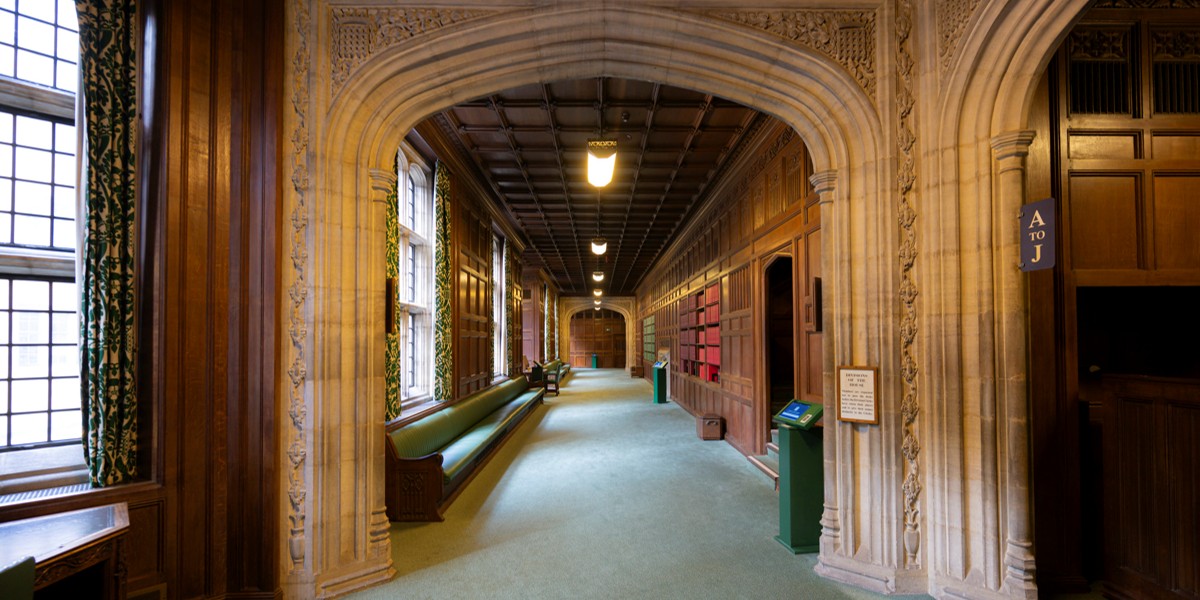
When a division is called, MPs move into lobbies for their votes to be counted. The decision making process for an MP heading to vote varies from vote to vote depending on a range of factors.
The whips office often influences the way MPs vote, different levels of whip hold different levels of severity and consequences for being defied. Three-line whips are used for the most contentious and important votes that a government faces. They’re often used for major divisions such as votes on the second reading of government legislation.
MPs that defy three-line whips are dealt with very seriously, sometimes even losing the whip entirely as a result. Thus, whips have significant influence on the way that MPs vote on legislation.
The whips office often works to persuade MPs with a carrot and stick approach, offering support on different matters in exchange for MPs backing a particular vote.
Other means of influence
MPs are not only instructed by the whips office however, they’re persuaded by individual morals and opinions, constituency matters and sometimes by pressure groups, think tanks and lobbyists who may present persuasive arguments.
Votes of conscience also take place on matters which have complex moral implications. During such votes, it is typical for parties to not whip their MPs to vote one way or another.
Why are divisions so important?
MPs don’t take votes lightly. Rebellions, such as the recent rebellion on the Universal Credit and Personal Insurance Payments Bill present significant challenges to any executive and reaffirm the principle of Parliamentary sovereignty.
Votes can even bring down a government. Opposition day motions and motions of confidence bring the unique risk of even ending a government. The 1979 vote of no confidence in the Callaghan Ministry led to the downfall of the government when the ayes won by a majority of a mere 1 vote.
What should businesses know about divisions?
Divisions are a way of identifying areas of influence. Influential backbenchers emerge from the crowd and the tone of a parliament is revealed – its a way to judge both government performance and where parliament can be influenced.
Votes are also where legislation is passed. Regulations applied upon businesses are voted for (aye) and against (noe) at divisions. Thus, it is crucial for businesses to not only understand how votes and legislation affect them, but how they can influence the voting process itself.
It’s not just about influencing the right people, it’s about influencing the right people at the right time. Influencing key backbench MPs before a second reading vote can completely change the course of a vote, and ultimately the legislation and regulations that will be passed, but only if done correctly.


admin