

 Daniel Molloy-Brookes
What the situation in Venezuela might mean for UK-US relations and UK business
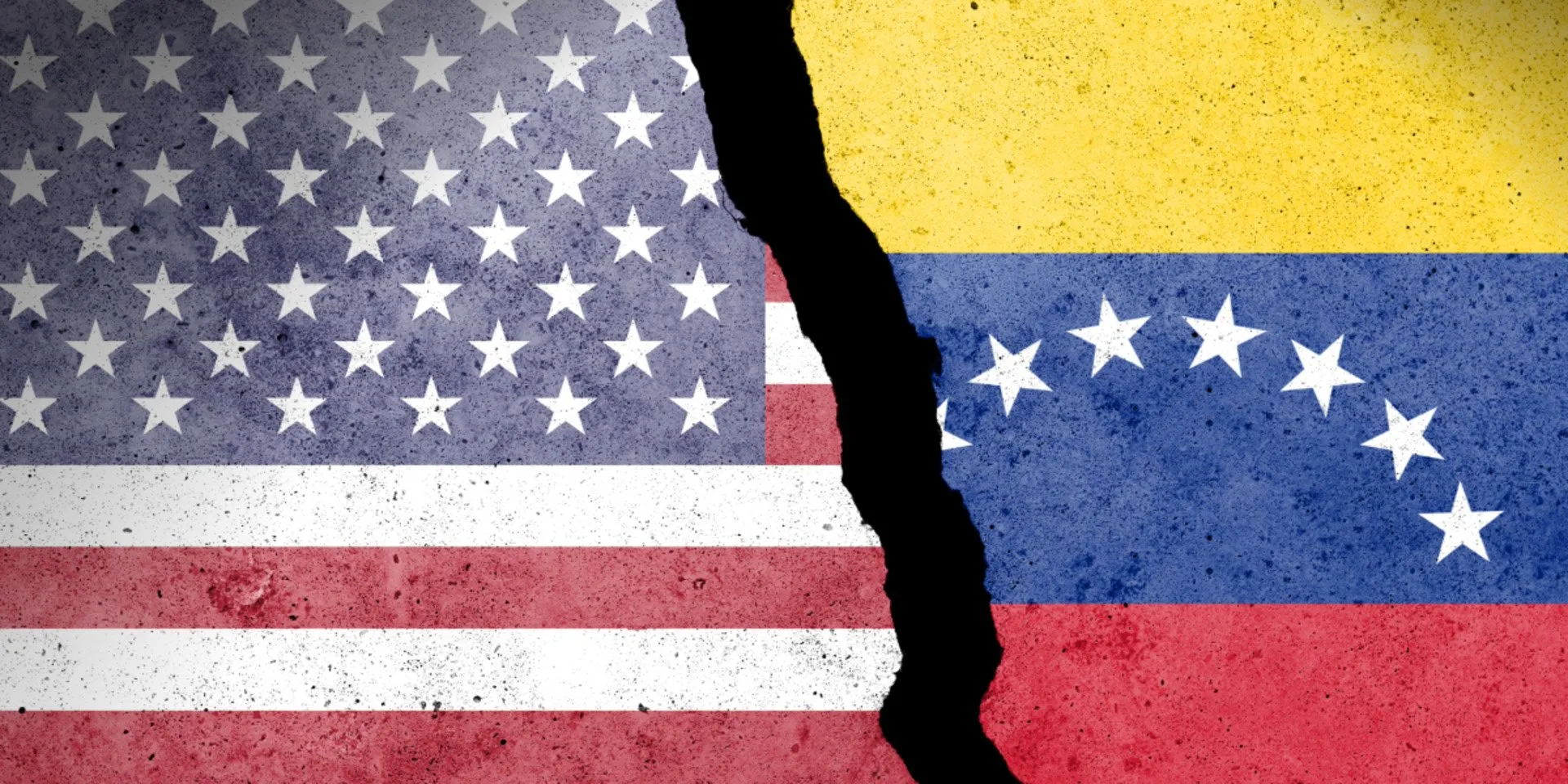
Though the situation in Venezuela may seem like a distant, foreign incident with little impact, in reality, the situation in Venezuela affects the UK in many ways, including in relation to the so-called ‘special relationship’ that the nation shares with the United States.
Background: The Trump administration’s actions
On 3 January, the President of Venezuela, Nicolás Maduro, was captured by US special forces after a tense few weeks with the US. US strikes on the nation followed by a coordinated operation by special forces led to the capture of the dictator, before he was swiftly taken to New York, where he has been kept in custody and appeared in front of a US judge in a trial relating to drugs and weapons.
But what does this mean for the UK and the wider international community?
Implications regarding international law
The UK has stood by international law for decades and continually sought to abide by the rules and regulations set out by international organisations that involve themselves in such laws, such as the UN or ECHR. But now, the UK finds itself in a difficult position, where one of its closest allies, connected via the ‘special relationship’, has potentially breached international law.
Several world leaders, academics and commentators across the globe have come out and condemned Trump’s actions in Venezuela and argued that his actions defied international law. So far, the UK has fallen short of calling the incident an outright breach of international law, but ministers have reiterated that the government believes in international law and its importance in enabling global order and cooperation.
Meanwhile, other US allies have condemned the US activity in the region, with the French President, Emmanuel Macron, coming out and saying he ‘does not approve’ of the US operation to capture Maduro.
Greenland overcomplicates matters further
The US approach towards Greenland has complicated the UK’s situation further after Trump made his view clear that he seeks to take control of the autonomous Danish territory, which is part of NATO. The UK, and much of NATO has failed to show support for the US approach to the island.
What does all this mean for British businesses?
Though it may not appear that the actions will affect the UK directly, the indirect consequences of the entire situation have the potential of being incredibly significant for citizens in the UK and UK businesses. Especially in relation to the UK’s relationship with the US and how this ties into trade.
But it isn’t all bad news for the UK. With the US looking at opening up the region’s oil reserves, there are reports that British energy giants such as BP and Shell could benefit from the move. Shell is reportedly already looking at the Dragon gas field, which could generate the British company $500m in annual revenue. Meanwhile, BP is also lobbying to reinstate exploration licences for the Manakin-Cocuina field, which sanctions previously prevented. Successes for these energy companies could help bring down running costs for businesses, especially those with large vehicle fleets or high energy costs due to manufacturing.
Meanwhile, British defence stocks in companies such as BAE Systems and Babcock rose by around 5% after the US intervention in the South American nation. Other mining and defence stocks responded to the incident, with the FTSE 100 briefly crossing the 10,000 mark.
Challenges for British firms
The challenge for British firms is obvious. Trump has made clear that US firms such as Chevron will be prioritised in the realm of oil extraction and exploration. UK energy firms risk being left behind in energy unless they form joint ventures with US majors to spread risk and gain access to the best assets. There are also risks regarding compliance and sanctions, which could make working in Venezuela difficult for any British firm in any sector which may be interested in the region.
What should firms do?
Given the volatile nature of the region and sector-specific factors regarding business in the region, it’s difficult for firms to understand the implications and adapt to the changing geopolitical environment in the region.
Firms should instead evaluate their individual situation and how the factors may affect them on an individual level. Walk Through Walls can help. We have a team of experts in international trade, global politics and business development. If you’re looking to navigate complex geopolitical landscapes on any continent, get in touch, and we’ll be able to help.


Daniel Molloy-Brookes